
People You Remember
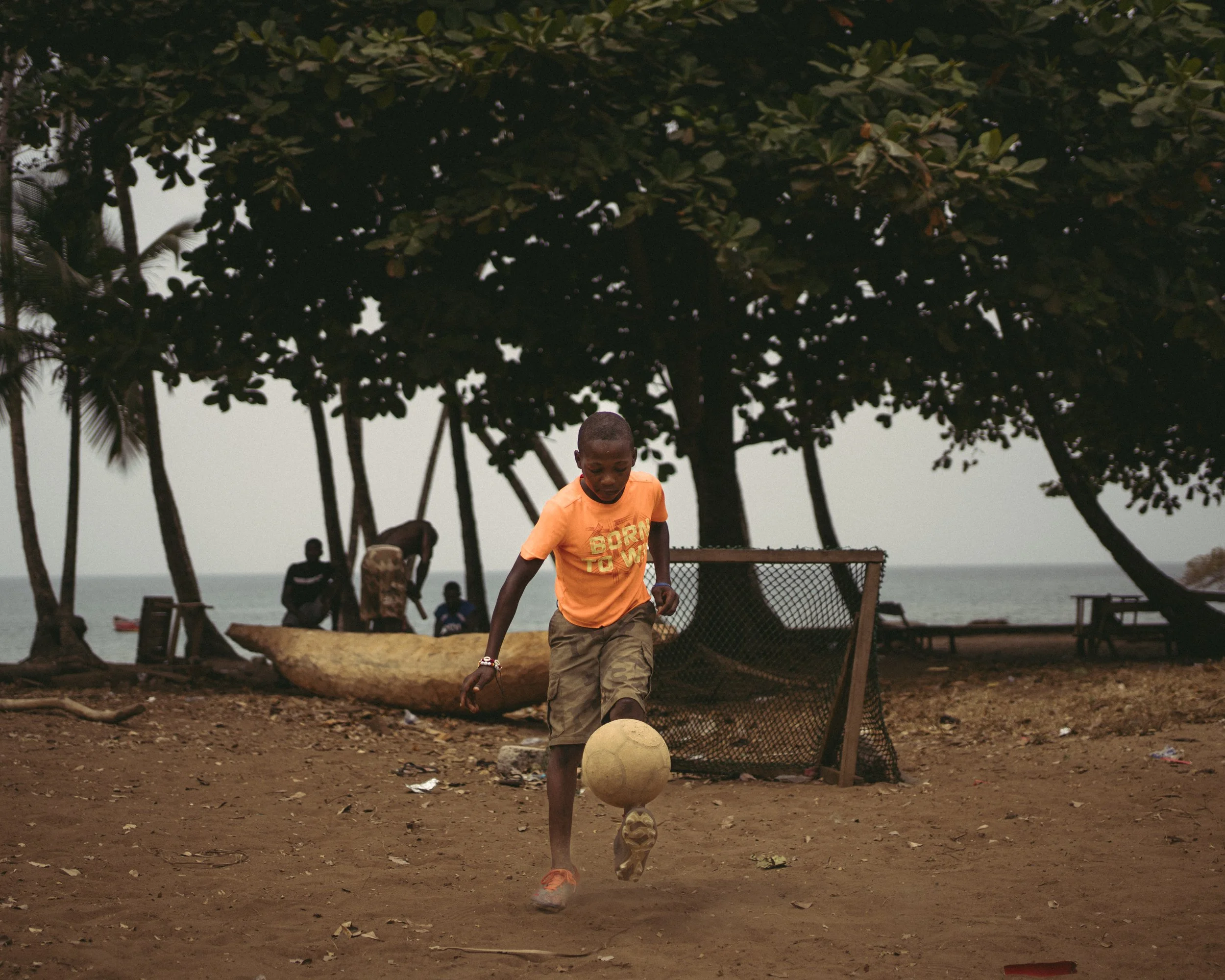
Get a Closer Look at Everyday Life in Sierra Leone
The best way to experience Sierra Leone is through the people who call it home.
We'll help you get a close-up look at everyday life, the culture, and the encounters that make a trip something you'll remember long after you've returned home.
More Than Just Sightseeing Spots
Sierra Leone’s culture isn’t something you experience behind glass or in a museum. It’s found in encounters with people, in the villages, at the markets, on the fishermen’s beach, and around the soccer field.
The civil war ended in 2002, and today Sierra Leone is one of Africa’s most peaceful countries. That history still lives on in many of the people you’ll meet, but fortunately, so do optimism, humor, and a sense of community.
On this page, we’ve compiled some of the experiences that offer a glimpse into the country’s culture and history. From local markets and fishing communities to organized visits to local soccer and handball clubs, where you can train with local children and teens or experience a local derby. You can also meet the Flying Stars Amputees—a soccer team whose players, despite their disabilities, remind us of both Sierra Leone’s history and the strength that has helped shape the country.
We tailor each trip so that you can experience the side of Sierra Leone that best suits your interests and curiosity.
Freetown from the back seat of a Keke
CULTURE
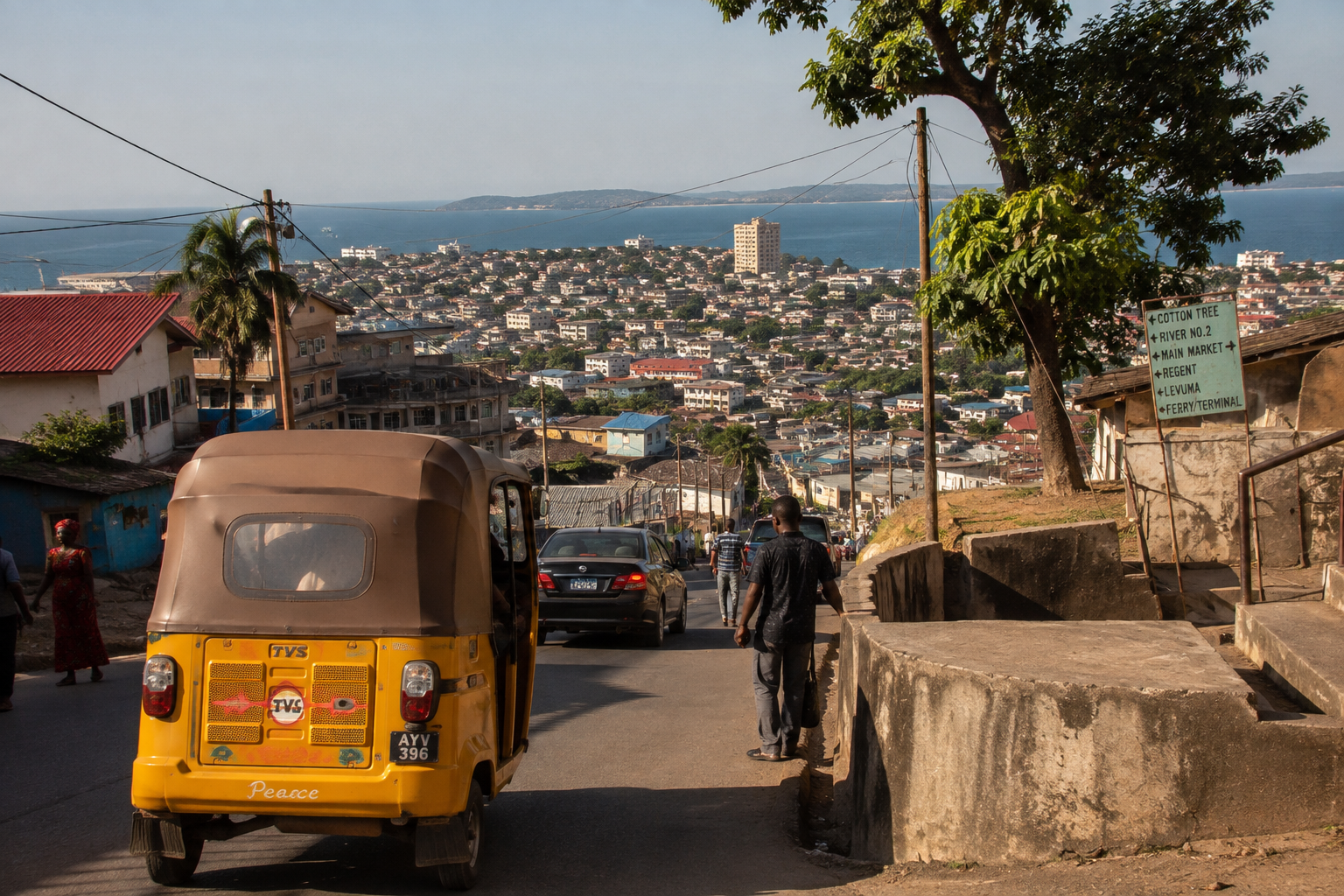
Freetown is a city full of contrasts, history, and life—and one of the best ways to experience it is from the back seat of a “keke,” the small three-wheeled taxis that are a staple of the cityscape.
We’ll organize a tour with a local guide, where you get to choose three or four stops from a wide range of options. See the iconic Cotton Tree in the heart of the city, visit the colorful houses in Rainbow City, explore historic buildings from the colonial era, or stop by Fourah Bay College, one of West Africa’s oldest universities. The tour is tailored to what you’re curious about—and the drive through Freetown’s bustling streets is an experience in itself.
End the day at Leicester Peak, high above the city. From here, Freetown stretches out between the green mountains and the Atlantic Ocean, and we can arrange a sundowner as the sun sets over the city.
You choose what you'd like to experience—we'll take care of the rest.
CULTURE
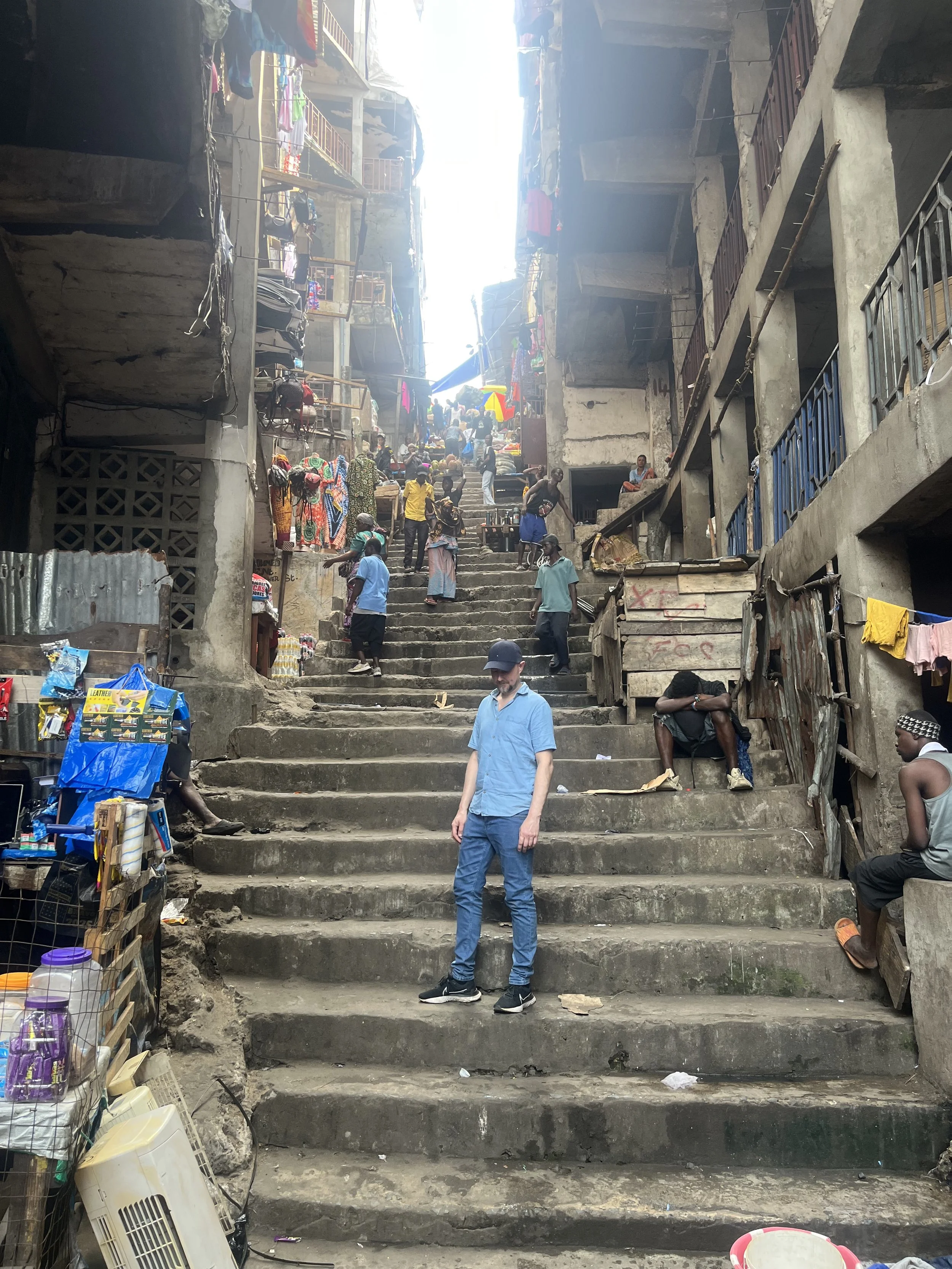
Experience Freetown from the inside
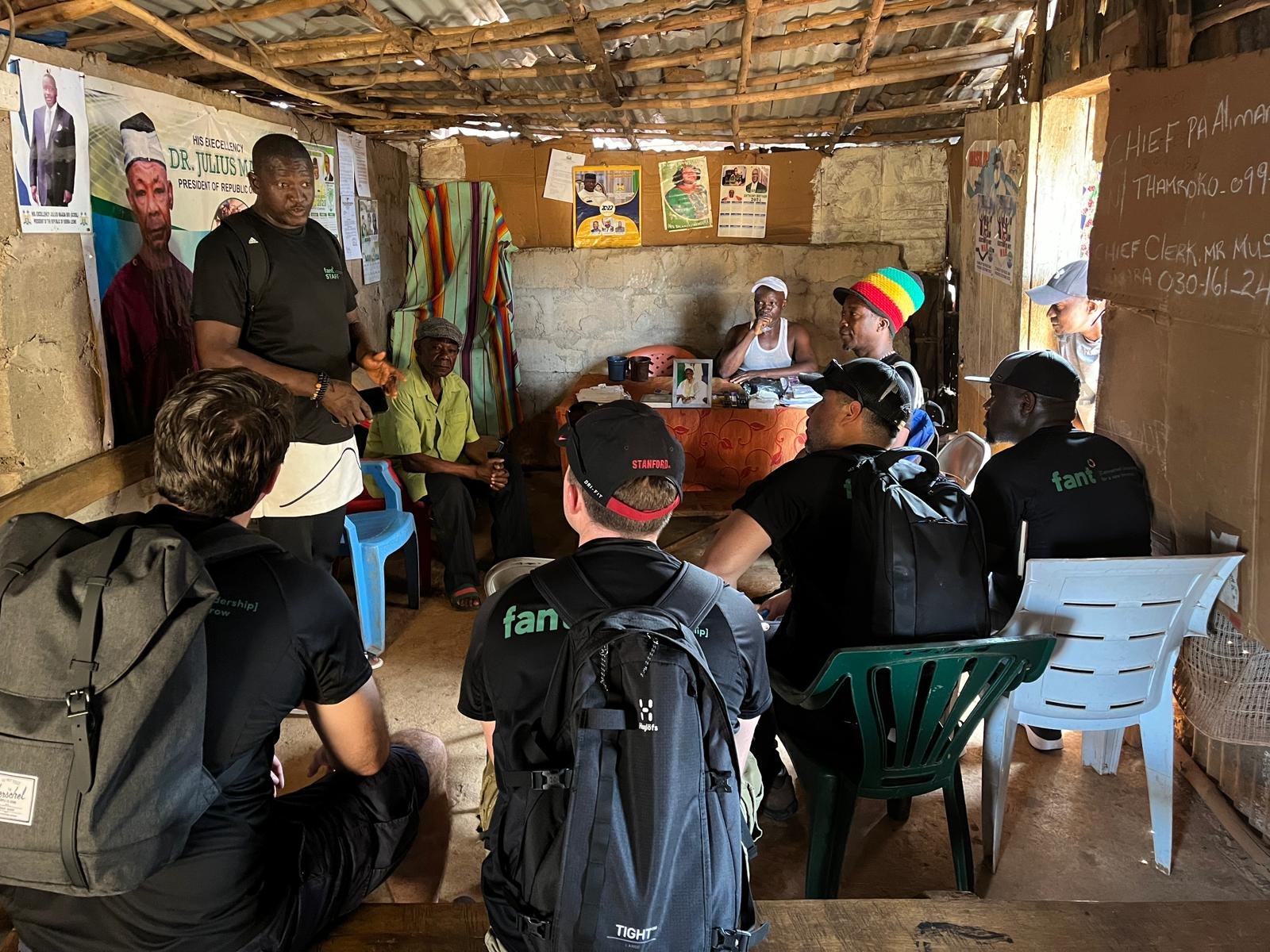
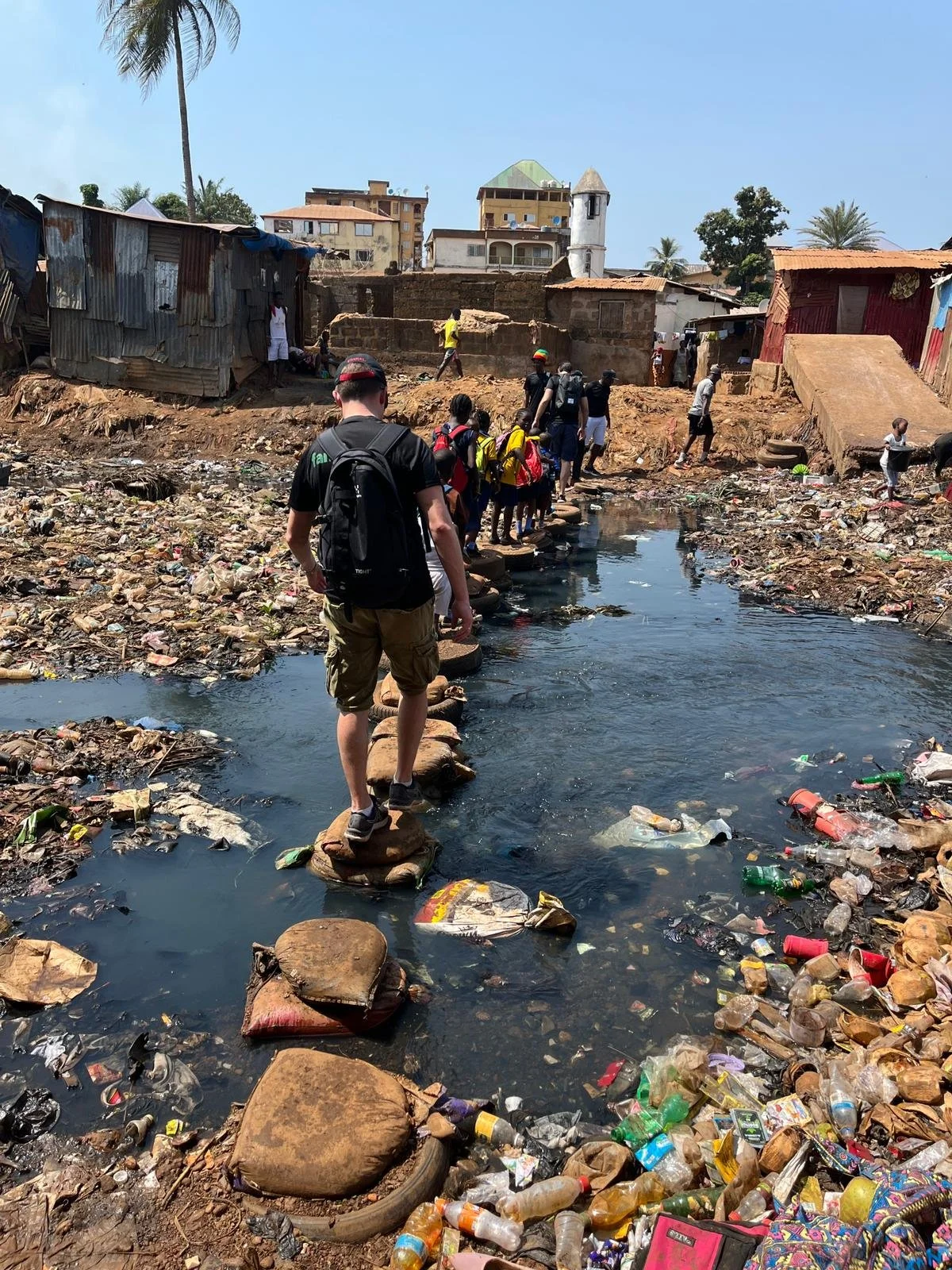
Some of the most memorable experiences in Freetown can be found in places that travelers don't usually visit.
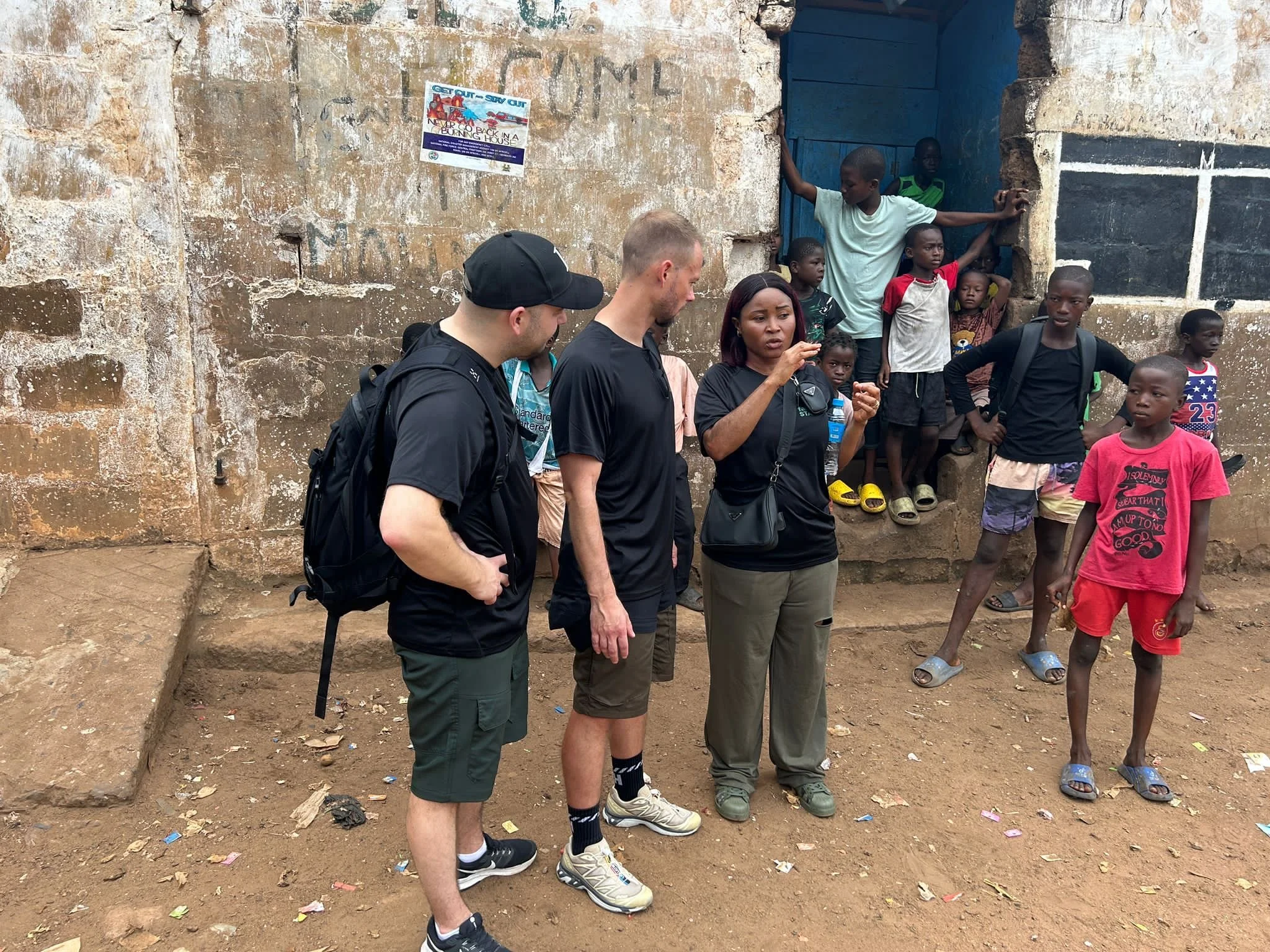
In Kroo Bay, Susan’s Bay, and Wilberforce, you can visit local sports clubs and be shown around by young people who live in the area. Here, you’re not visiting as tourists with a guide, but as Cecilie’s guests.
Over the past 14 years, Cecilie has worked in these local communities and helped support the sports clubs, children, and young people you’ll meet. This gives her a unique perspective—and the opportunity for conversations and encounters that might otherwise be difficult to arrange as a visitor.
At the same time, you’ll gain a concrete insight into what a small part of Danish development aid looks like when it becomes a reality in people’s everyday lives—not as a distant project visit, but through the people who live their lives here.
CULTURE
Markets – Colors, Trade, and Everyday Life
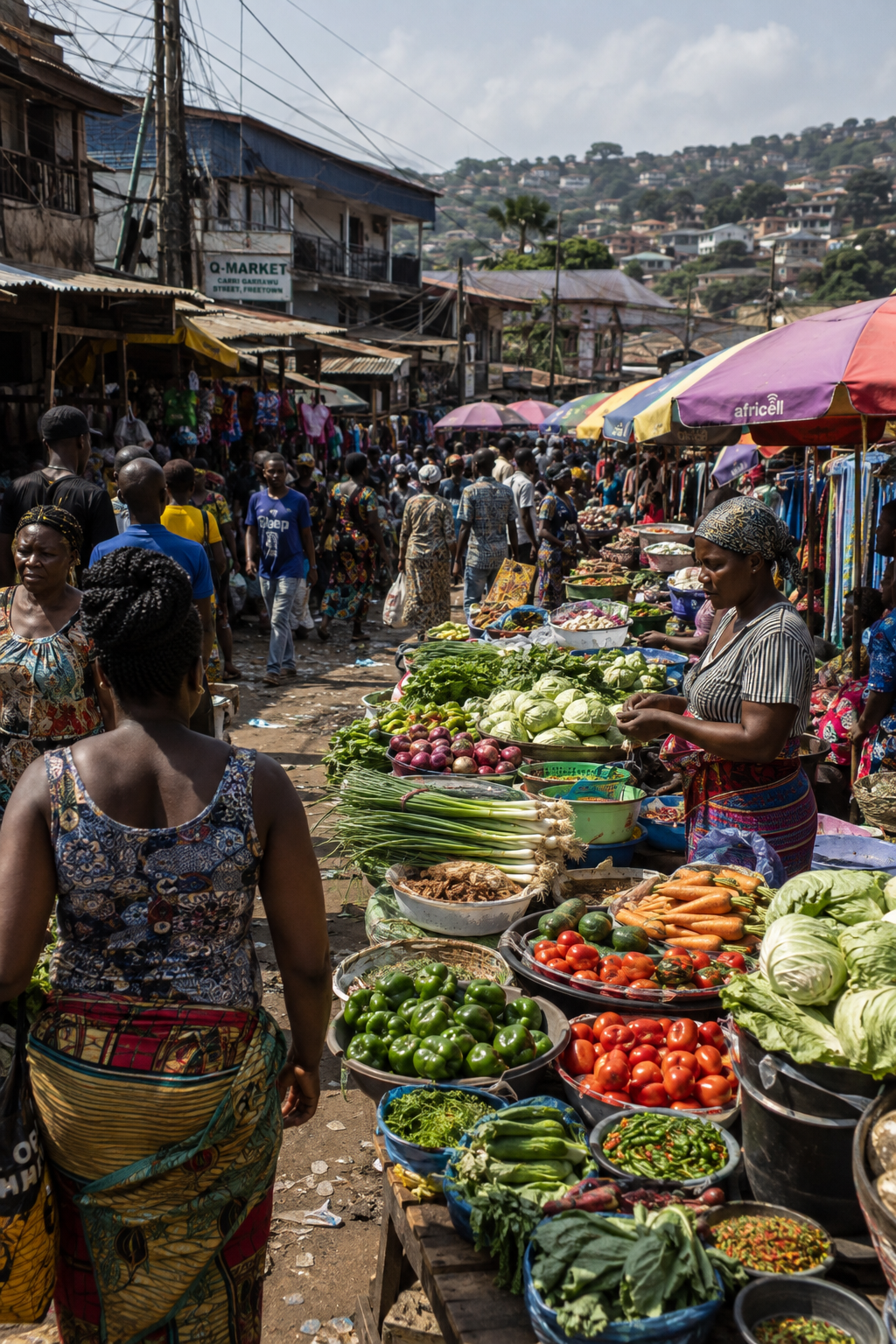
A market in Sierra Leone is more than just a place to shop. It’s people, sounds, colors, and everyday life all gathered in a very small space.
At Big Market in Freetown, you’ll find everything from colorful fabrics and clothing to jewelry, baskets, wooden figurines, and local handicrafts. And all over the city, smaller street markets pop up among shops, cars, and people.
Here, you can hunt for a Sierra Leone national team jersey, buy some fabric to take home—or just walk around, look, chat, and get a feel for life in the city.
The markets are generally safe to visit, and you can easily explore them on your own. If you prefer, we’ll help you find the markets that best fit your schedule—and we’d also be happy to arrange for a local guide to accompany you.
CULTURE
Sports Open Doors
Sports are one of the best ways we know to really get to know people.
That’s why we can arrange for you not just to watch, but to be invited inside—to join in on practice, games, and fellowship.
Soccer is everywhere in Sierra Leone
On the beach, on dusty gravel fields, between houses—and on some very special artificial turf fields.
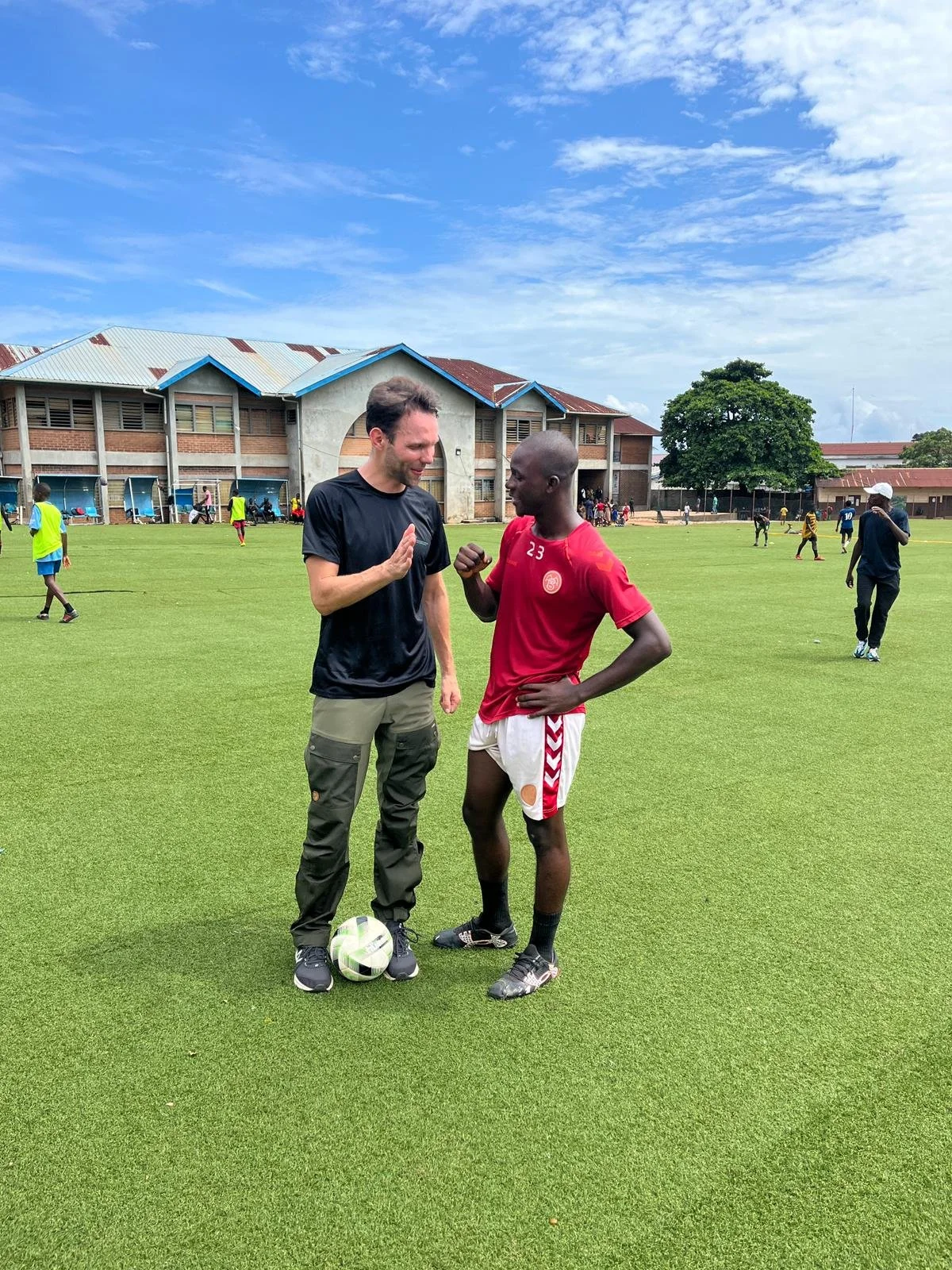
Through Cecilie’s many years of work in Sierra Leone, she has helped establish three artificial turf fields that were previously used by FC Nordsjælland and AGF in Denmark. Today, they serve as the setting for soccer clubs and training sessions for hundreds of children and young people in Freetown.
It also gives us special access. We can arrange for you to attend a local practice, meet the players and coaches, and—if you’d like—lace up your cleats and join in on the field.
Because soccer doesn't necessarily require a common language. Sometimes a ball is enough.
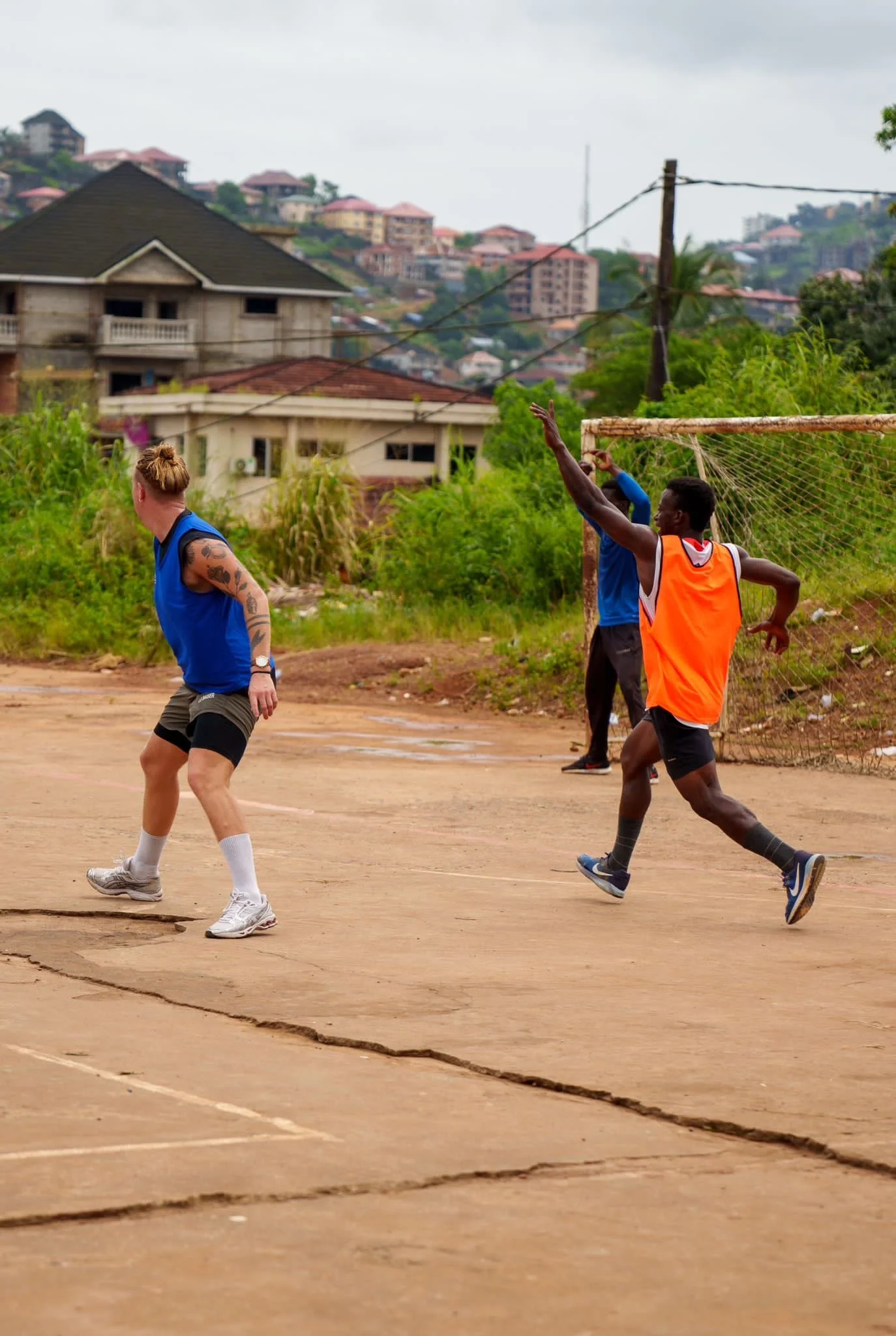
Handball in Sierra Leonean
Years ago, a shipment of used, donated handballs from Denmark made its way to Sierra Leone in a container. The balls were distributed to local clubs—and helped further fuel interest in the sport invented in Denmark.
Today, there are handball clubs in several parts of Freetown, where players train on outdoor courts under conditions that are quite different from those in Danish indoor arenas—but with at least as much dedication.
We can arrange for you to join a local practice session and take to the court yourselves. You don't have to play handball back home.
The rules are the same. The setting is completely different—and the sport becomes a fantastic way to get to know one another.
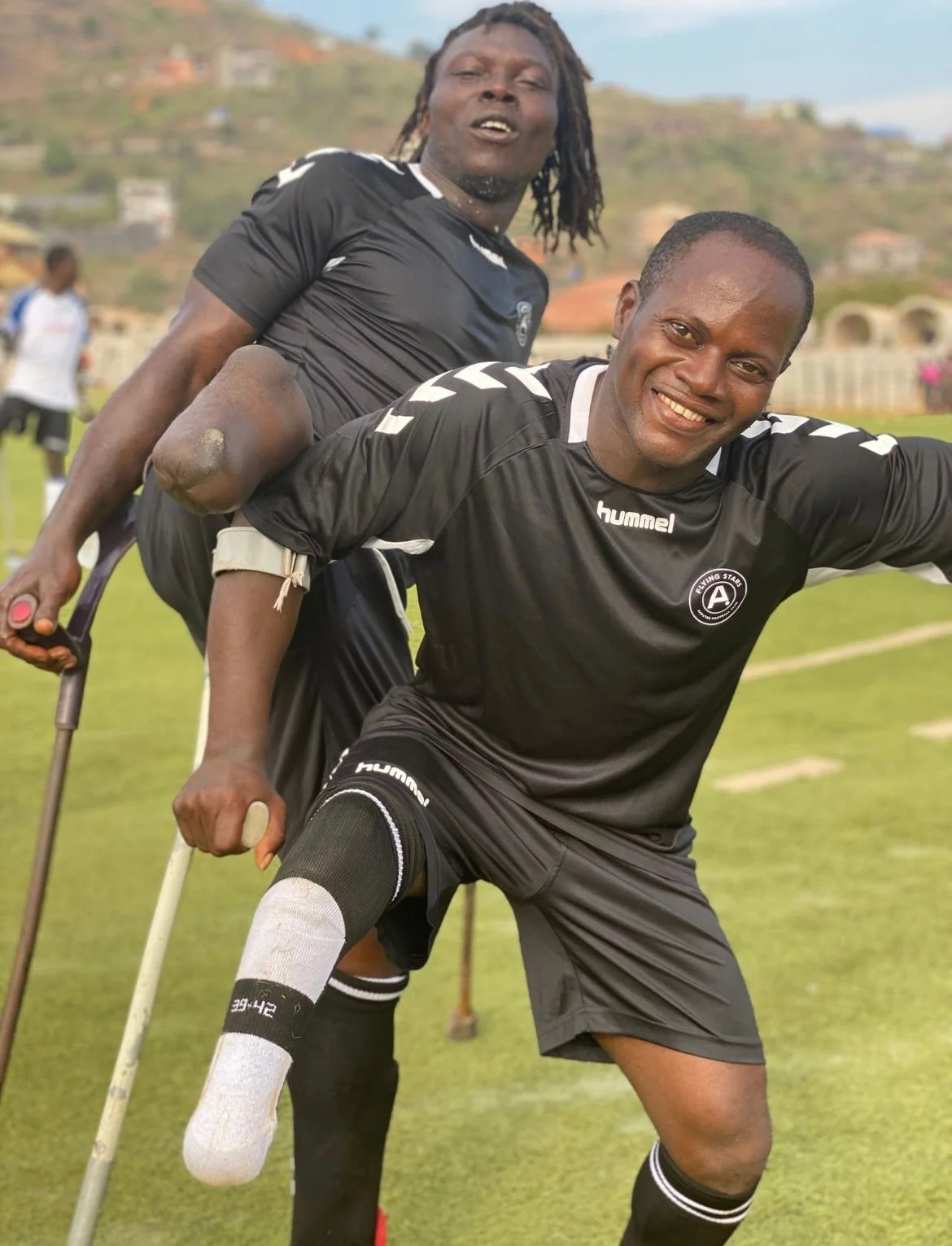
Flying Stars Amputees
Forget about pity. When the Flying Stars Amputees take the field, the first thing you feel is awe. On one leg and with crutches, they play soccer at a pace and with a level of skill that’s hard to believe until you see it for yourself.
We can arrange for you to meet the players and watch them train or play a match on the beach—and maybe even try your hand at the game yourself.
Flying Stars also has a unique history. Several of the players lost arms or legs during the civil war in Sierra Leone.
Today, the war is a thing of the past, but through the players, you gain a personal insight into a part of the country’s history—told by people who do not seek pity, but who, with strength, humor, and impressive soccer, show just how far Sierra Leone has come.
CULTURE
The Flavors of Sierra Leone
The culinary experiences in Sierra Leone aren't always something you'll find listed in a travel itinerary. Often, it's the little things you come across along the way.
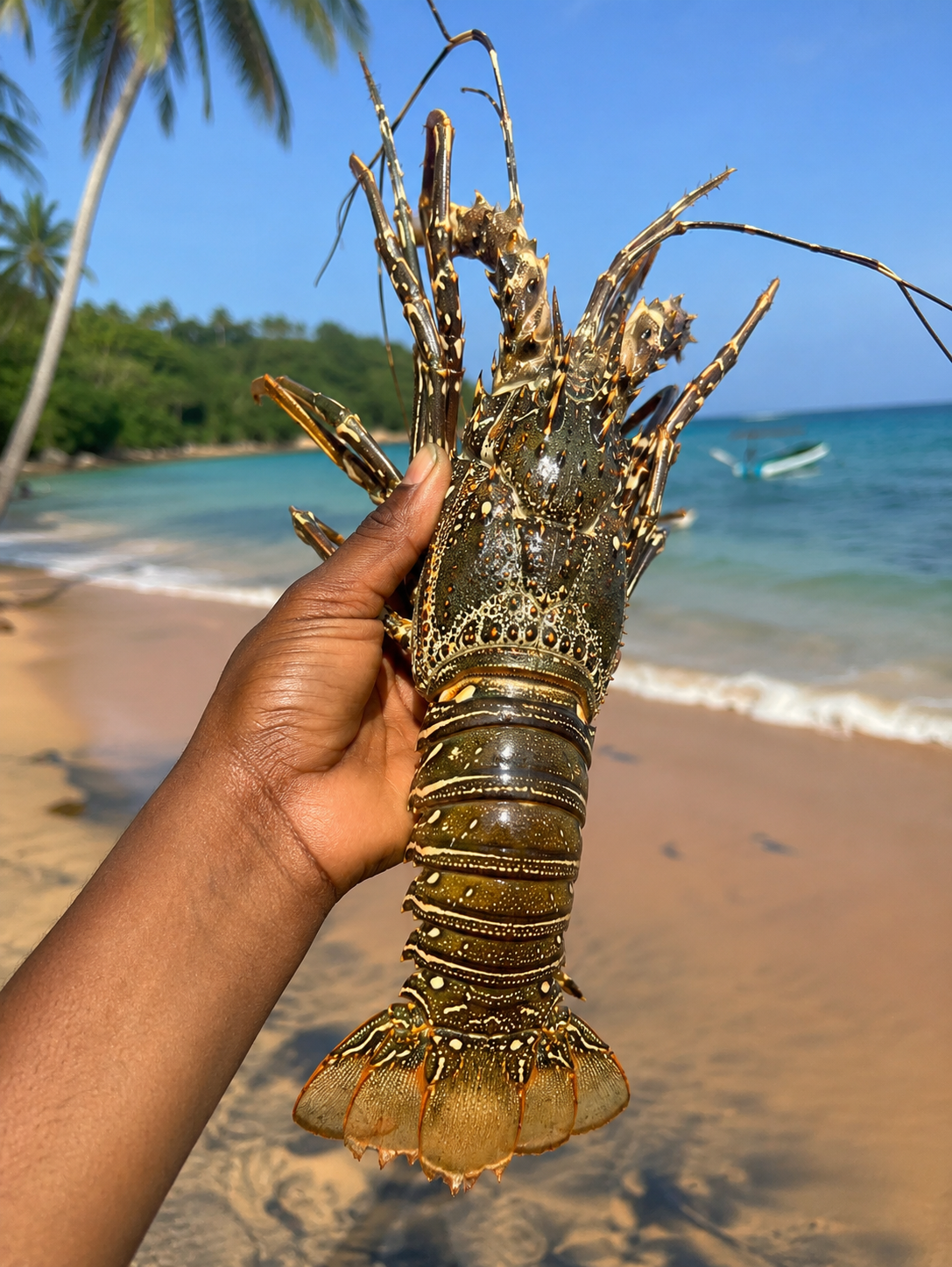
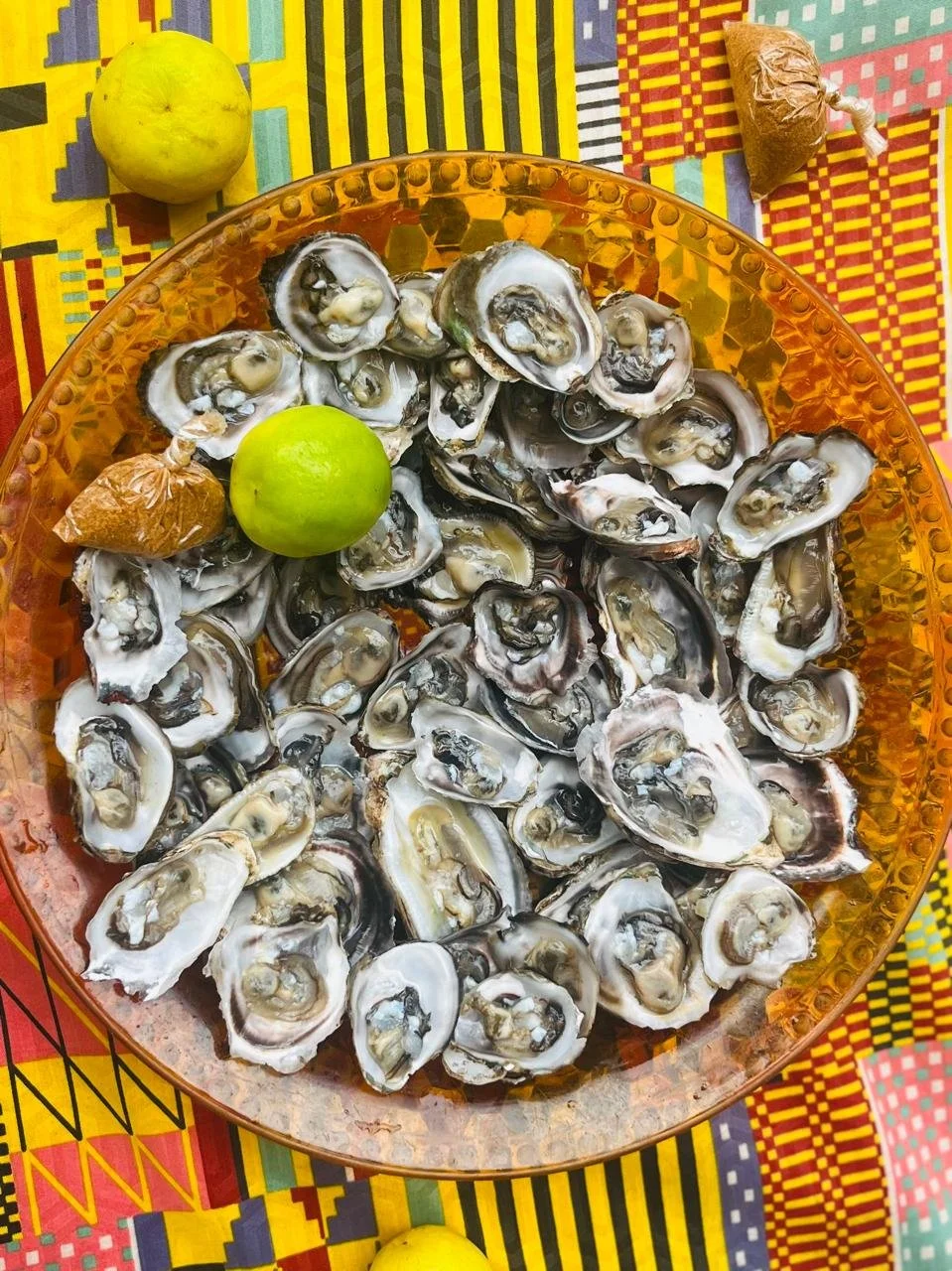
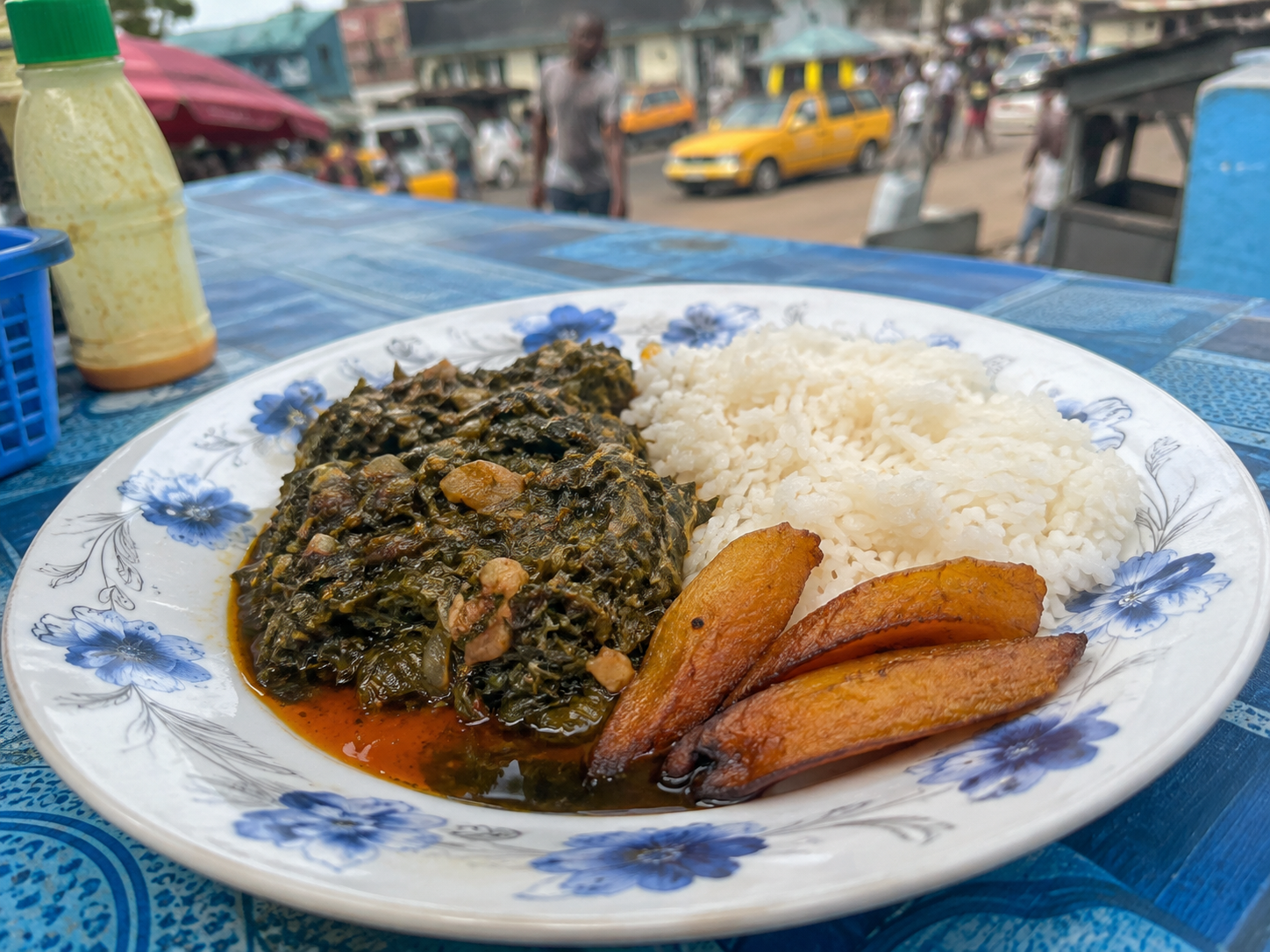
It could be a coconut at a market in Freetown, freshly caught oysters bought from young men on the beach at Tokeh, or lobster at Lakka Beach, pulled straight from small crates out in the ocean. And of course, you’ll want to try some of the local dishes—cassava leaves, groundnut stew, jollof rice, and fresh fish with chili, lime, and local spices.
Some things we can plan. Others just happen because we know where to stop, who to ask, and what to taste.
For us, that’s exactly part of showing you Sierra Leone—even when the experience isn’t on the itinerary.
History, Culture, and Faith
CULTURE
Sierra Leone’s history is both fascinating and brutal—and in many places, you can still get a close look at it. On Banana Island, you can visit ruins from the transatlantic slave trade, or we can arrange a day trip from Freetown to Bunce Island to see the remains of one of West Africa’s most important British slave forts.
But culture is also about everyday life. We can arrange a visit to a local school, where you’ll meet students and teachers and get a glimpse into a typical school day. And if you’d like, you can attend church on a Sunday—an experience filled with music, singing, and an energy that’s quite different from a Danish church service.
Sierra Leone’s recent history also includes the civil war, which ended in 2002. Many people still remember that time, but the country you’ll encounter today is a completely different one: peaceful, safe, and full of people who are eager to talk about both the past and the Sierra Leone they live in now.
Culture isn't something we just show you. It's something you encounter along the way—through people, everyday life, food, sports, history, and the conversations that arise when you take the time.