Why you should experience Sierra Leone
A welcoming country with breathtaking nature, vibrant culture and a powerful history.
Sierra Leone is unlike any other destination – here, you'll experience a side of West Africa far away from mass tourism.
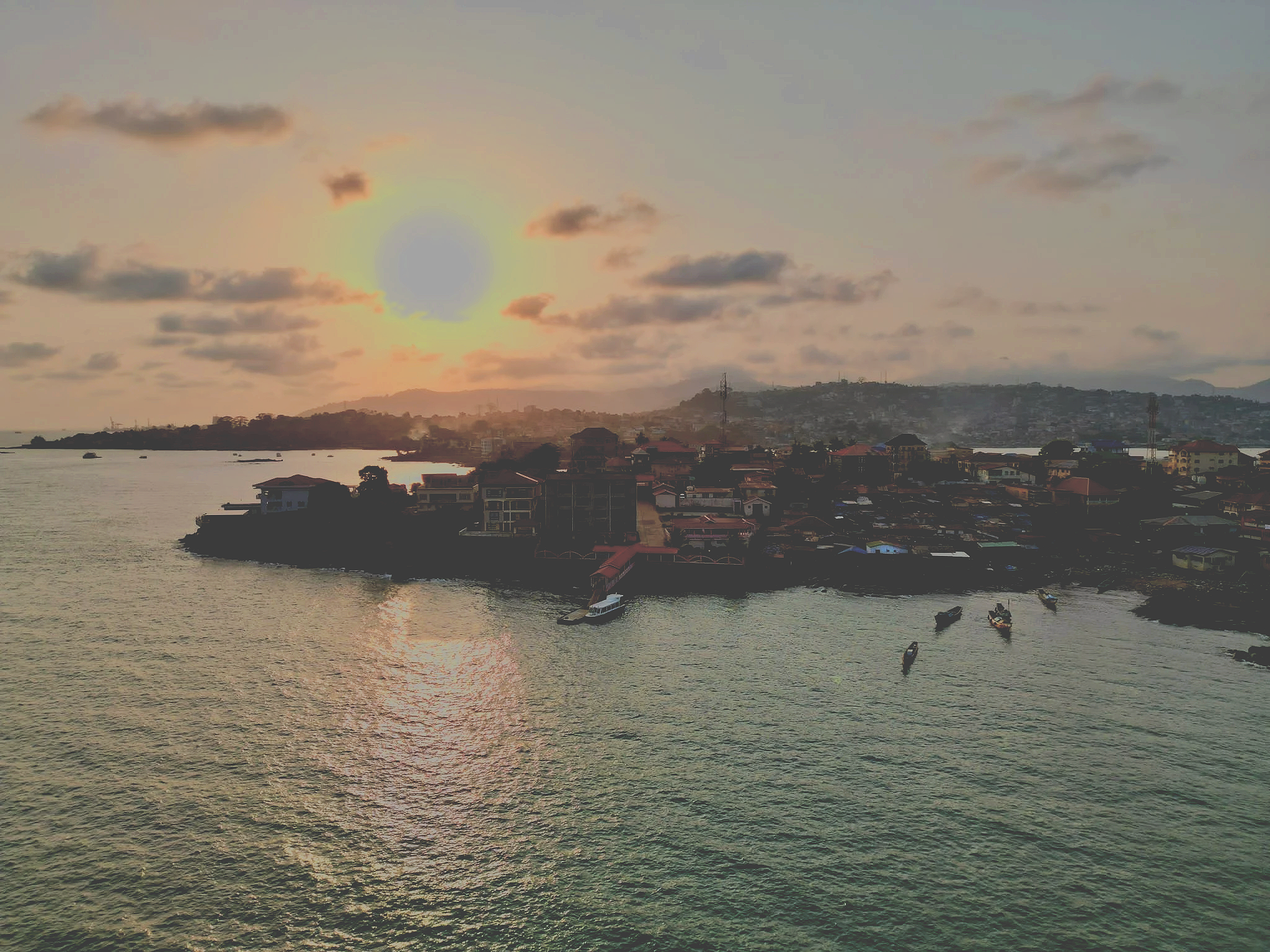
Here, city life, tropical beaches and lush nature come together in a country that few travellers have experienced.

A small country with an incredible amount to experience
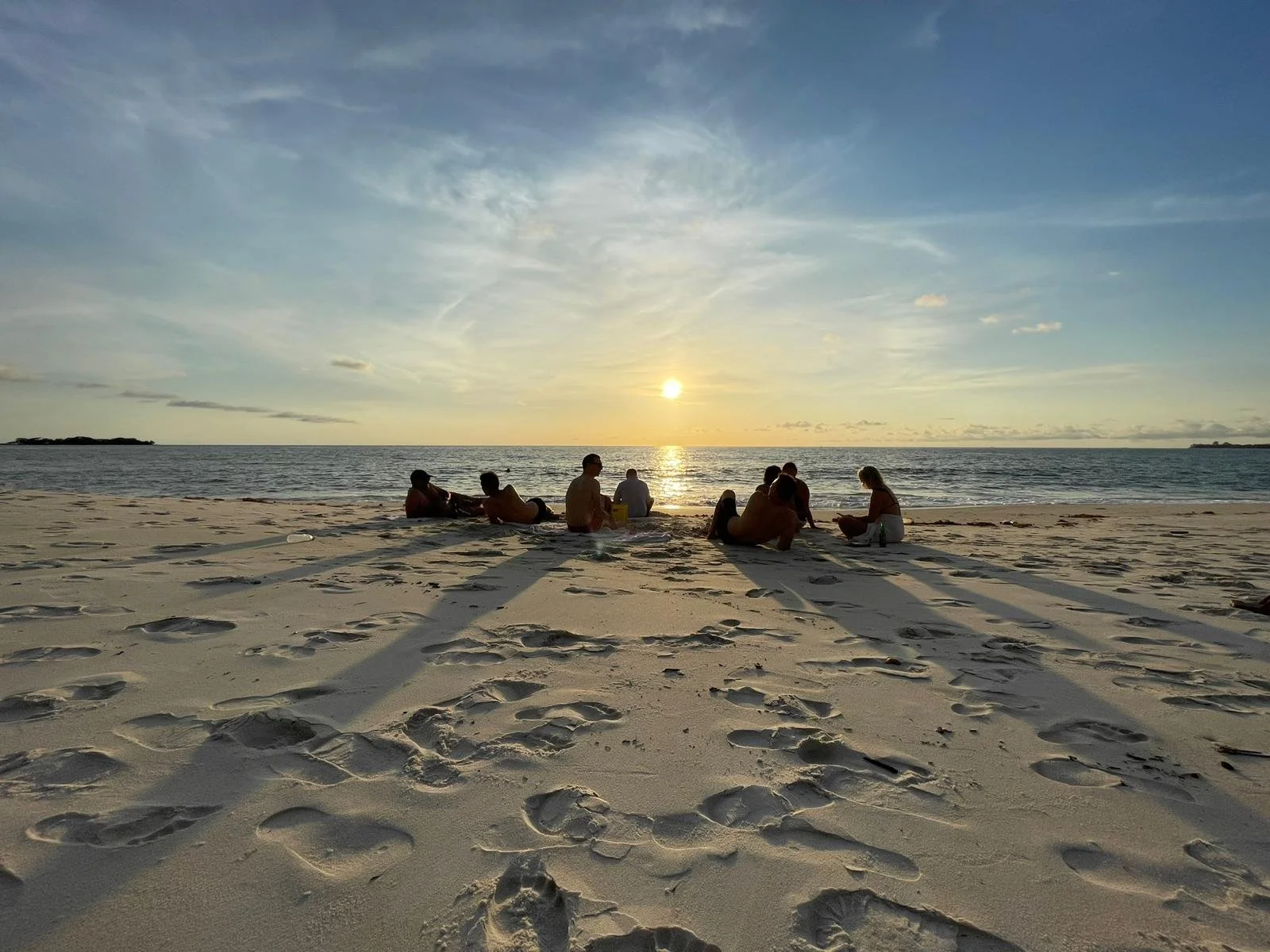
Sierra Leone isn't a place you visit for just one specific sight.
It's the combination that makes the country so special.
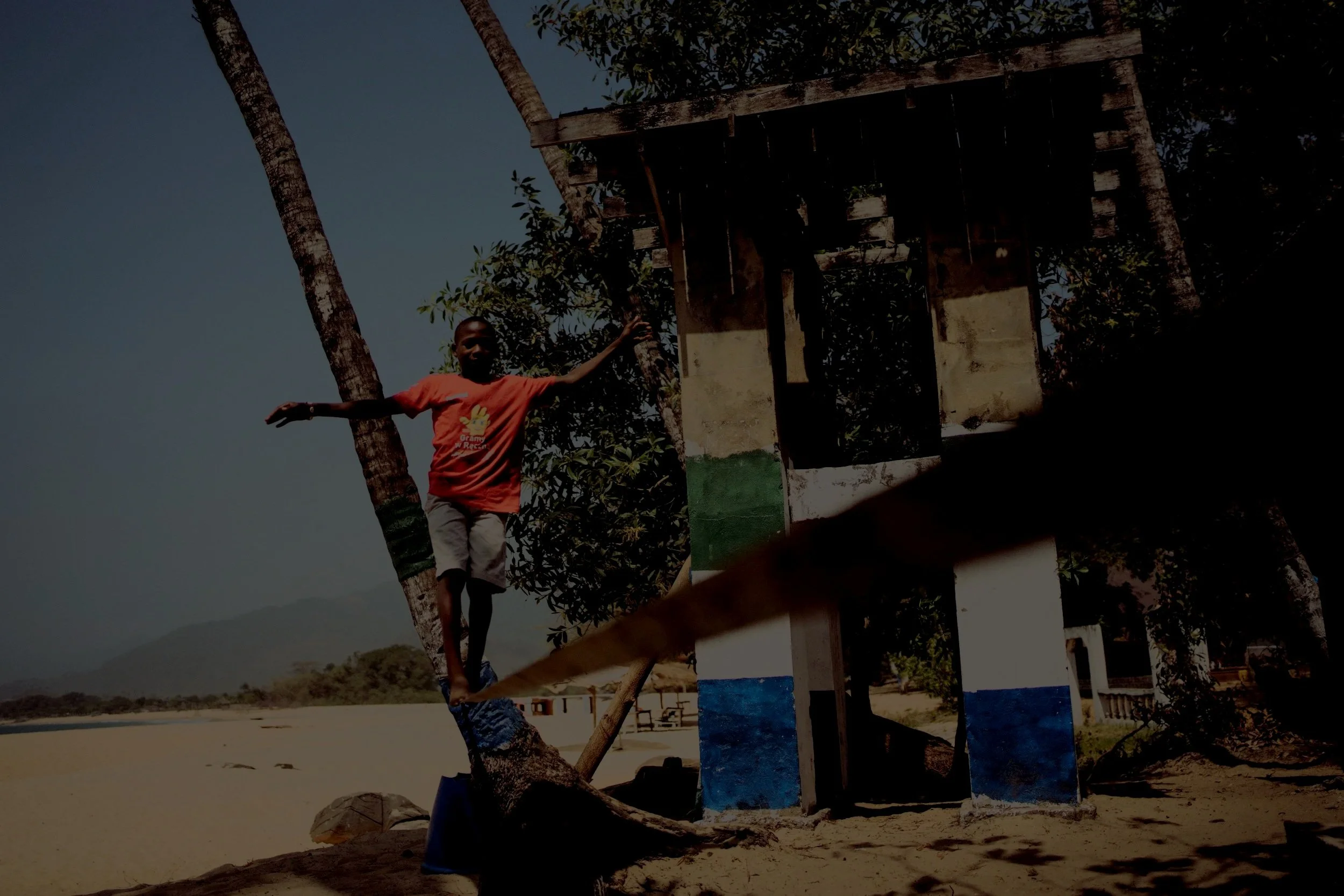
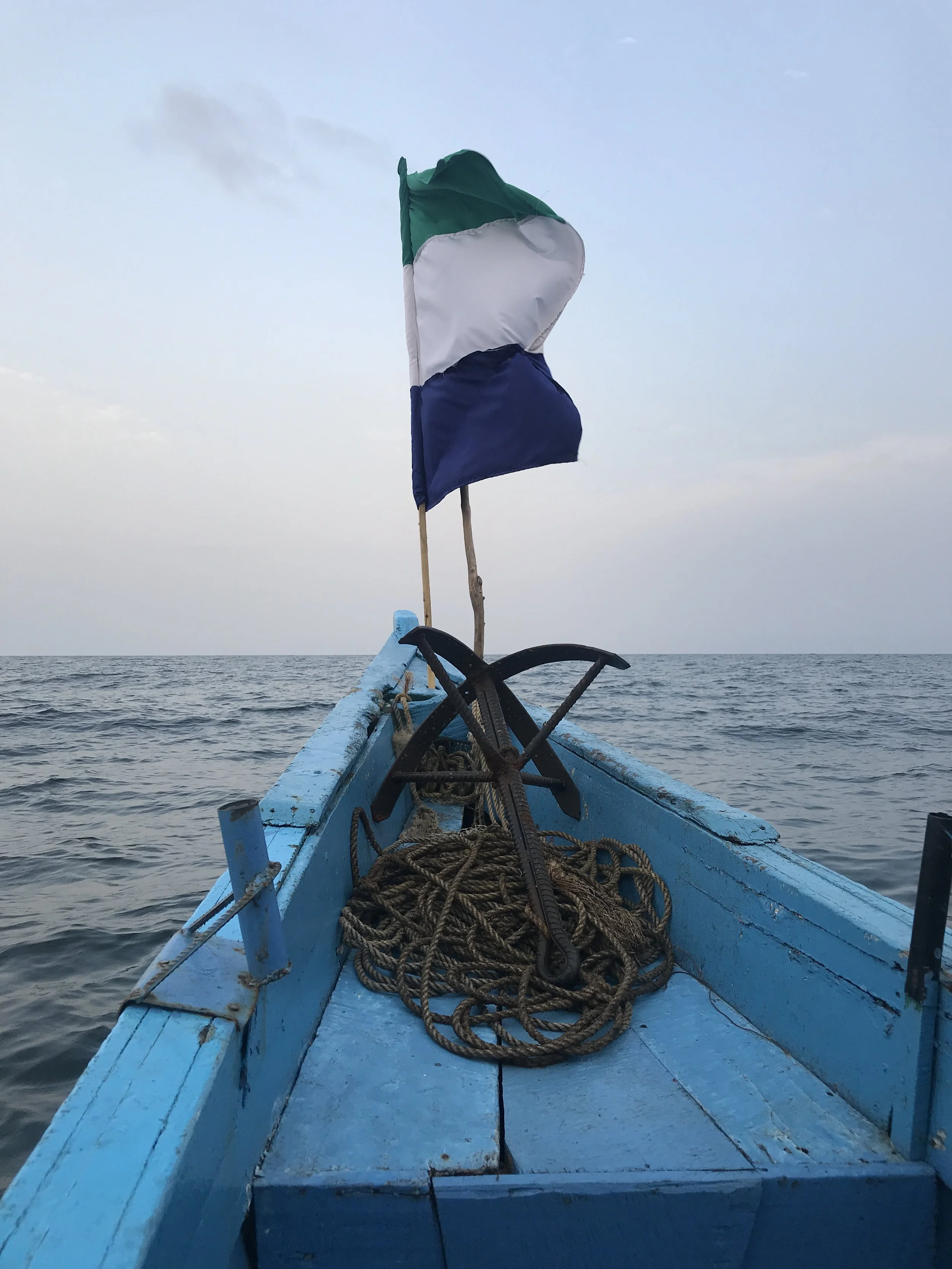
Within relatively short distances, you can move from Freetown's bustling city life to rainforests, mountains, small islands, and some of West Africa's most stunning beaches.
A country with a history you can still feel
Sierra Leone's history is both fascinating and harsh. Freetown was founded in the late 18th century as a home for freed slaves, and traces of the slave trade and British colonial era can still be found around the country.
In 1961, Sierra Leone gained independence from Britain.
Many people still associate Sierra Leone with the brutal civil war that shook the country from 1991 to 2002. But the war ended back in 2002, and the Sierra Leone you'll experience today is a completely different place.
The country has lived in peace ever since, and an entire generation has grown up without war.
However, history hasn't been swept under the rug. You can visit slave trade ruins on Banana Island or meet people who remember the civil war themselves. This makes history feel personal – not as something that defines Sierra Leone today, but as part of understanding the country and the people you meet.
People, culture, and religion
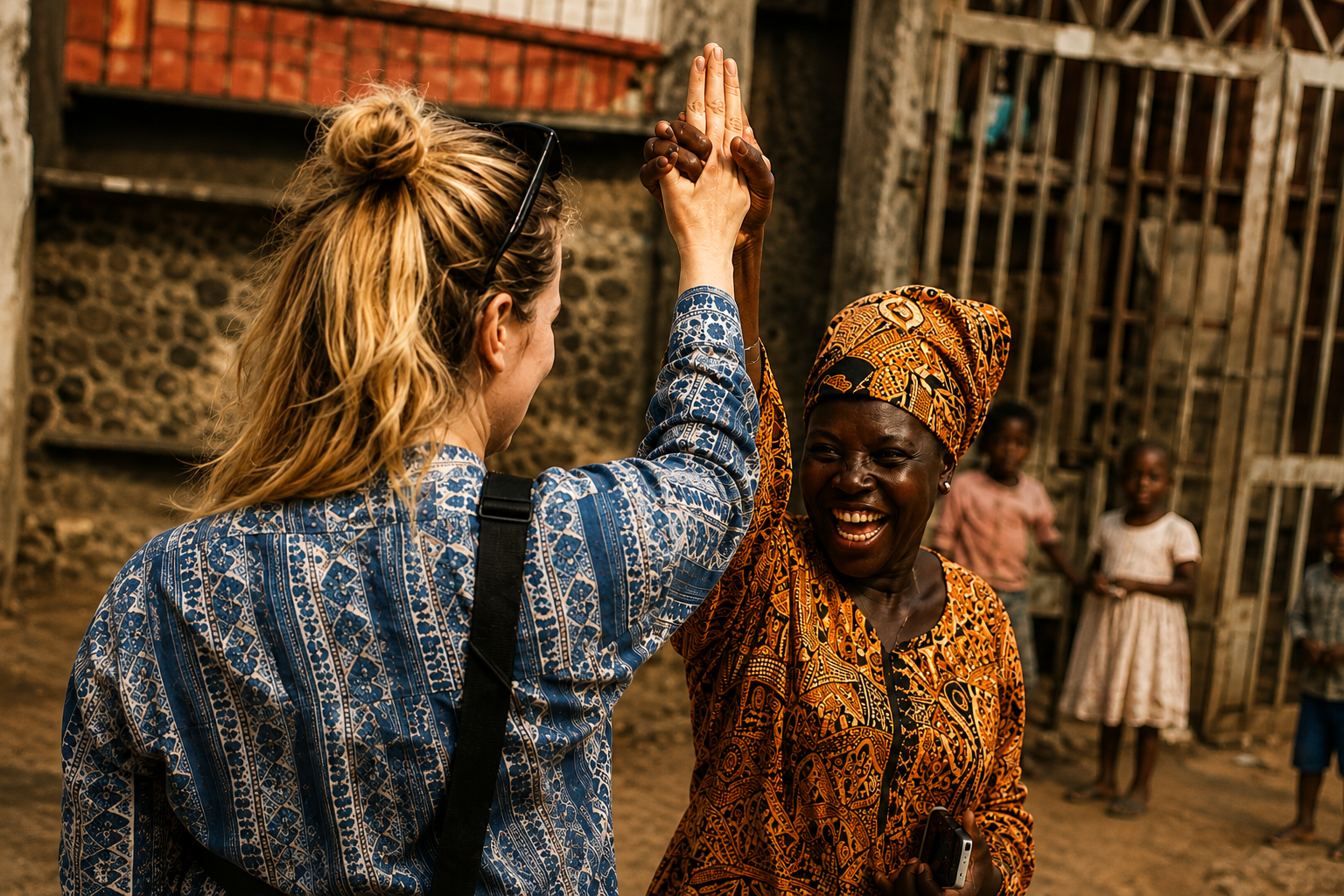
One of the very first things you'll notice in Sierra Leone is the people.
People greet each other, chat, and ask curious questions – and as a visitor, it's hard not to quickly get pulled right into everyday life.
At the same time, Sierra Leone is a country with many different ethnic groups, languages, and traditions.
The majority of the population is Muslim, while about a fifth are Christian – and the country is known for a very special kind of religious tolerance. Mosques and churches stand side by side, families include multiple faiths, and holidays are celebrated across religions.
It's also a culture that is best understood by taking part in it.
Join us for church on a Sunday, visit a school, learn a few words of Krio, or hang around a little longer when someone invites you for a chat.
It's often in these small encounters that Sierra Leone truly begins to make sense.
A country without mass tourism
Sierra Leone is still one of those places where tourism has a very small footprint. This means you experience the country while it functions primarily on the locals' terms – not the visitors'.
On Banana Island, you can hike all day without running into other travelers. Right on the beach, local fishermen sell their catch of the day directly to you, and back in Freetown, everyday life just keeps on humming right around you.
Sierra Leone is not a polished tourist destination – and you need to be prepared for that.
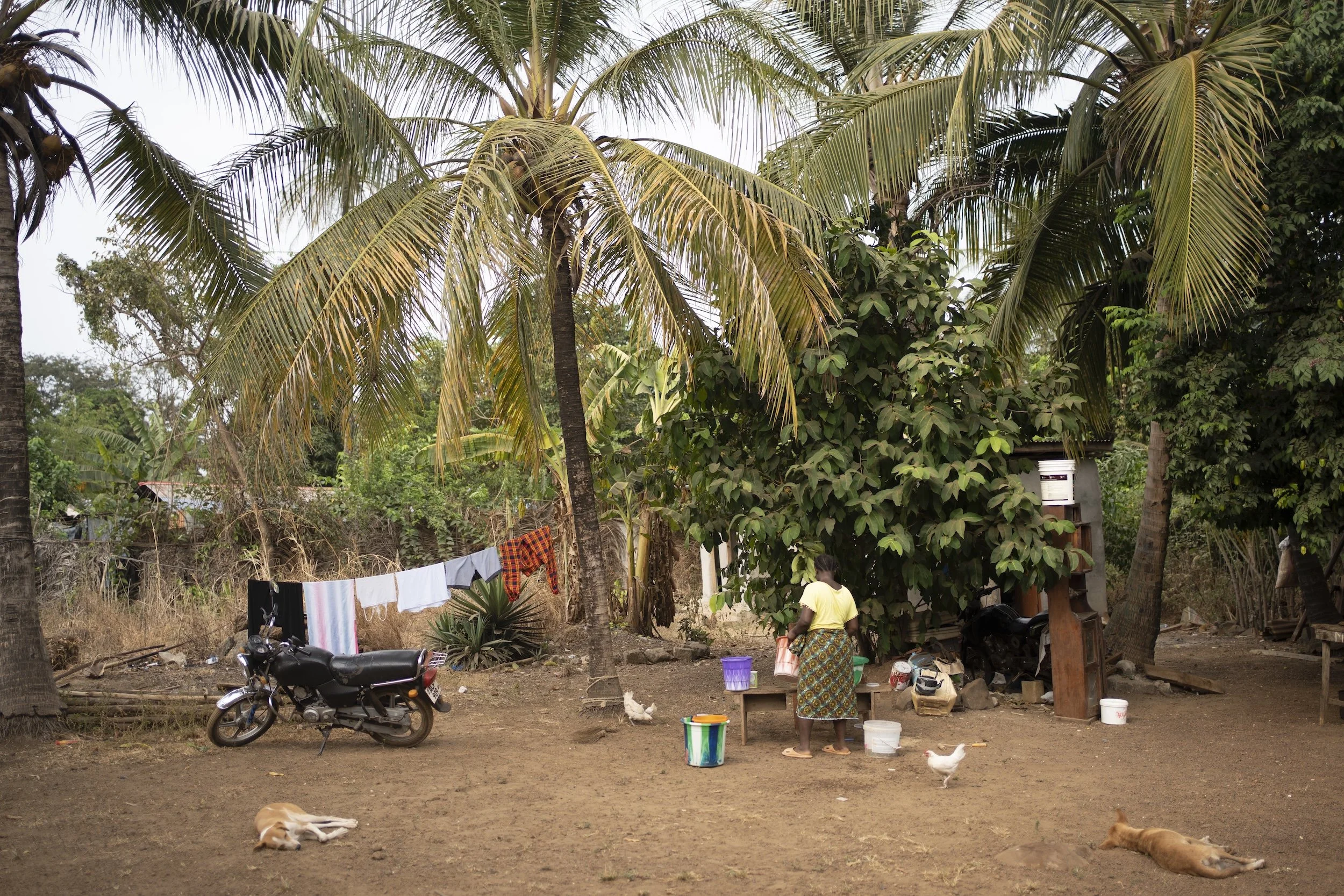
It is one of the world's poorest countries, and some of the things you encounter can be tough to see. In parts of Freetown, people live in very poor conditions, waste is a major problem, and access to clean water and reliable electricity is far from a given for many families.
The roads can be bumpy, the power can go out, and things sometimes take a little longer than planned. For us, this isn't something to hide or romanticize. It's part of the Sierra Leone you're visiting – just like the amazing beaches, the wild nature, and the immense hospitality.
Is it safe to travel in Sierra Leone?
Yes – and for many, that's one of the biggest surprises about Sierra Leone.
From a distance, the country might sound like a riskier destination than it actually feels once you're there.
Sierra Leone has a relatively low crime rate compared to many other destinations, and you won't encounter the same kind of heavy security measures in everyday life that you might find elsewhere.
In Freetown, you can walk around, visit markets, go to the beach, and get around the city on your own. Like anywhere else in the world, you need to use common sense, keep an eye on your valuables, and be extra careful after dark.
But you won't be on your own, either. We know the country, the areas, and the people you'll meet. We take care of transport, local contacts, and guides where it makes sense – not because Sierra Leone is a dangerous place to travel, but because it makes it easier and safer to experience a country you don't know yet.